




Divide and Conquer
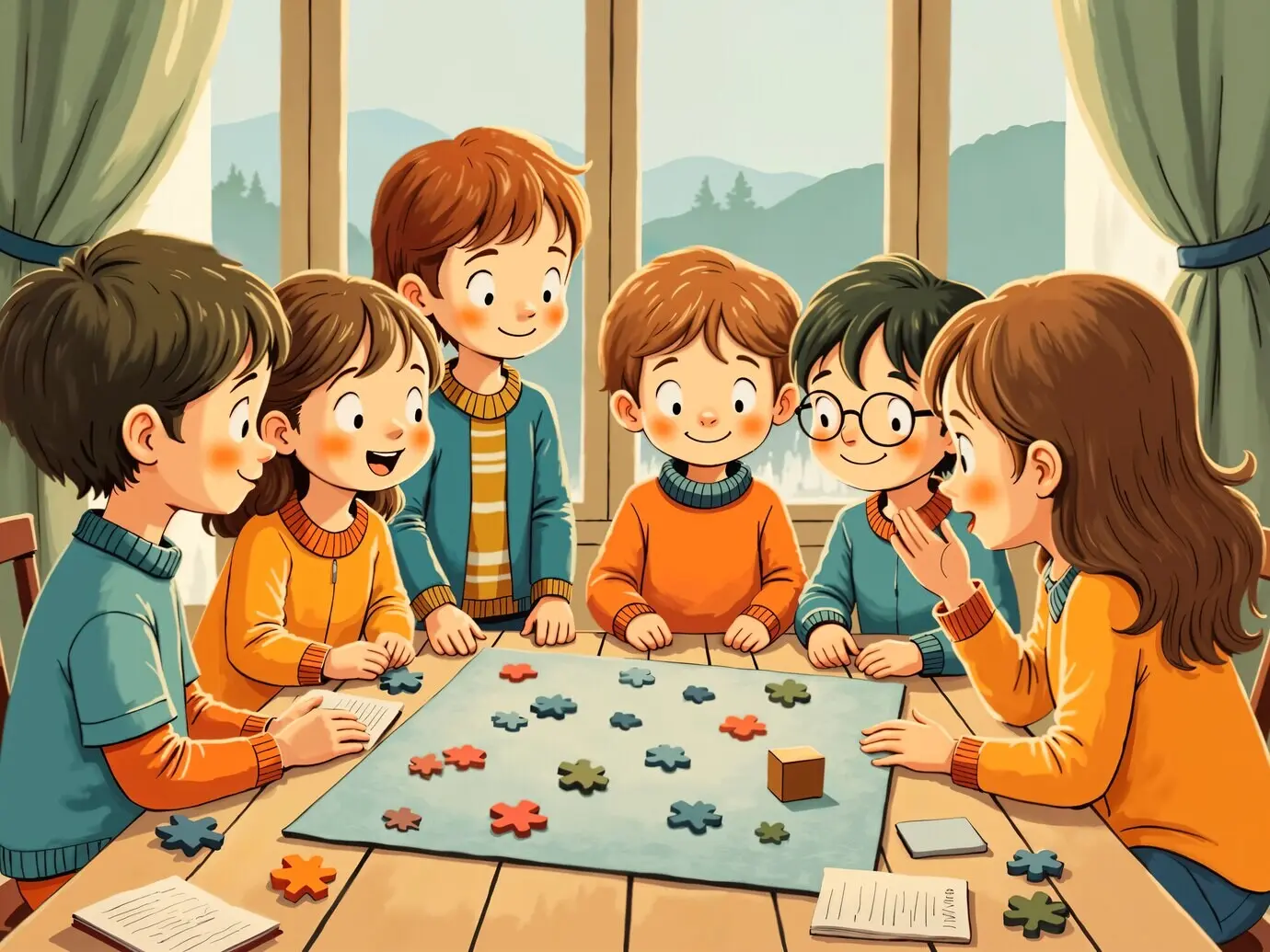
Assign roles that highlight unique talents: a clue keeper organizes information, a verifier tests assumptions, and a strategist sketches paths forward. Rotate responsibilities so every player experiences different vantage points. Encourage quick summaries to synchronize understanding. As insights collide productively, contradictions flag themselves, and confident conclusions emerge. The process becomes an elegant dance where clarity grows steadily, and no voice gets lost in the lively, welcoming chorus.

Narrative Mysteries
Wrap deductions inside heartwarming stories—lost picnic baskets, neighborhood treasure hunts, or whimsical museum nights. Clues tied to characters and settings make logic feel personal and memorable. Invite players to read roles aloud, adding theatrical flair without overshadowing reasoning. When narrative and deduction intertwine, quieter players often engage more, offering observations grounded in plot details. The final reveal feels like a satisfying ending earned through shared attentiveness and imagination.
Time-Boxed Triumphs
Short, cooperative sprints add urgency while remaining friendly. Set a gentle timer and aim for partial milestones—first contradiction spotted, first category locked, first impossible pairing eliminated. Celebrate every checkpoint with a small cheer. These moments maintain momentum, avoid fatigue, and ensure progress feels visible. Ending a sprint with a near-miss still counts as a success when the team learned, laughed, and found a clearer path for the next round.