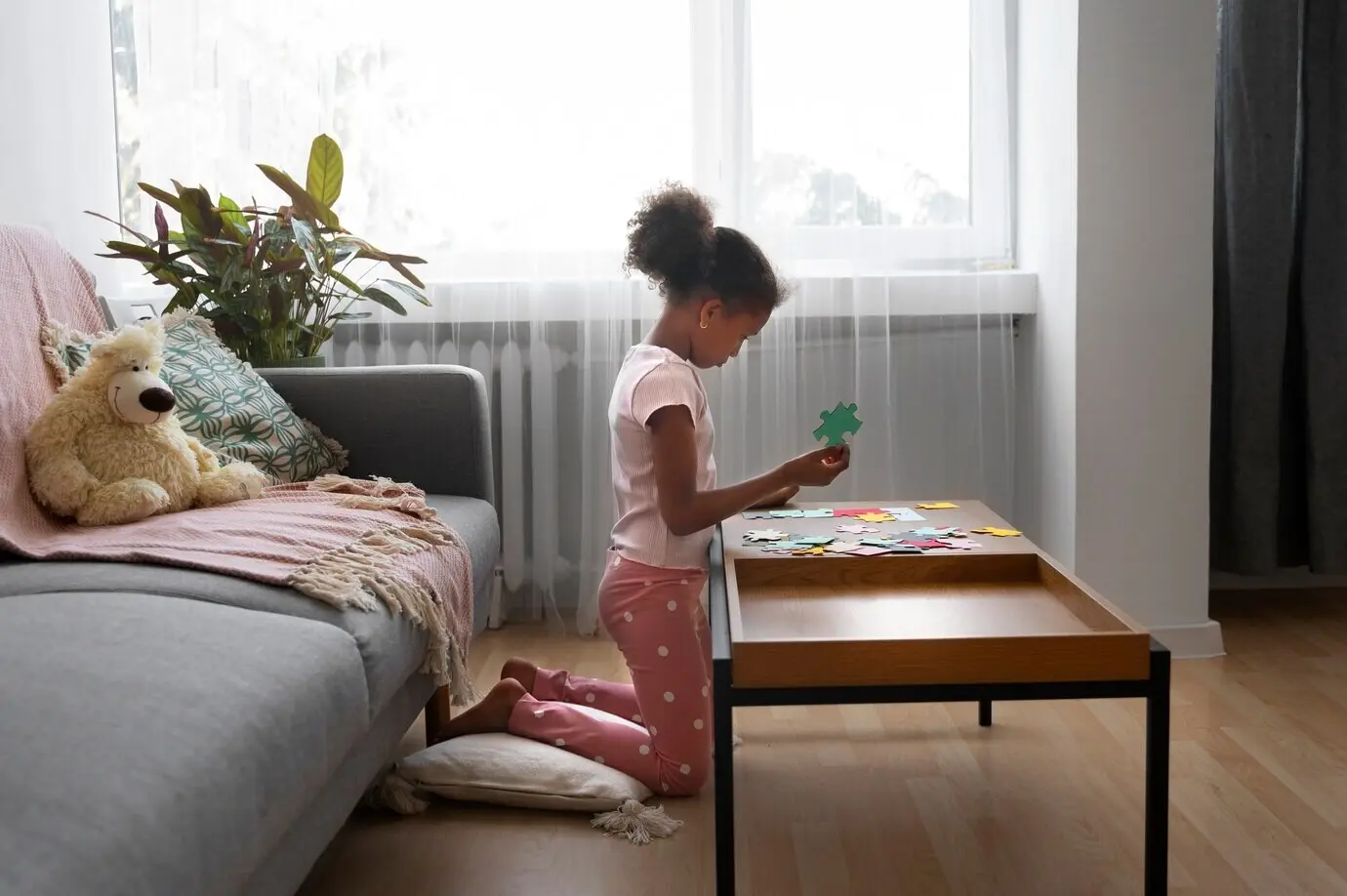
Bring Clever Play to the Kitchen Table
A Cozy Start with Everyday Objects



Design Principles That Spark Delight




Stories, Snacks, and Social Deduction
Set the Scene in One Sentence
Safe Bluffing, Clear Recovery
Celebrate the Reveal
Ten-Minute Rounds for Any Evening
One-Napkin Challenges
Draw three circles and a few connecting lines. Place tokens as constraints: a token forbids repeated colors on adjacent nodes. Players must color the network using the fewest crayons available on the table. Because the structure is small, insights arrive fast. People negotiate tradeoffs, test possibilities, then grin when a single smart recoloring solves everything with elegant simplicity and satisfying finality.
Card Packet Mysteries
Deal five face-down cards, announce that exactly two are red, and permit three yes-no questions about relative positions. Players craft strategies that isolate contradictions rather than chase certainty. Even a small success—pinning one red card—feels earned. When the final arrangement is revealed, participants appreciate how local logic builds global understanding, and they instantly want another round to refine their questioning approach.
Cooperative Deduction Sprints
Offer a public puzzle where the table wins together by reaching a clean inference before the bell. Roles rotate: one person proposes a hypothesis, another tests constraints, a third records state. Cooperation channels chatter into purpose. The clock keeps energy bright, yet clean reasoning remains central. Win or lose, the group debrief creates laughter, shared language, and stronger instincts for the next clever challenge.