



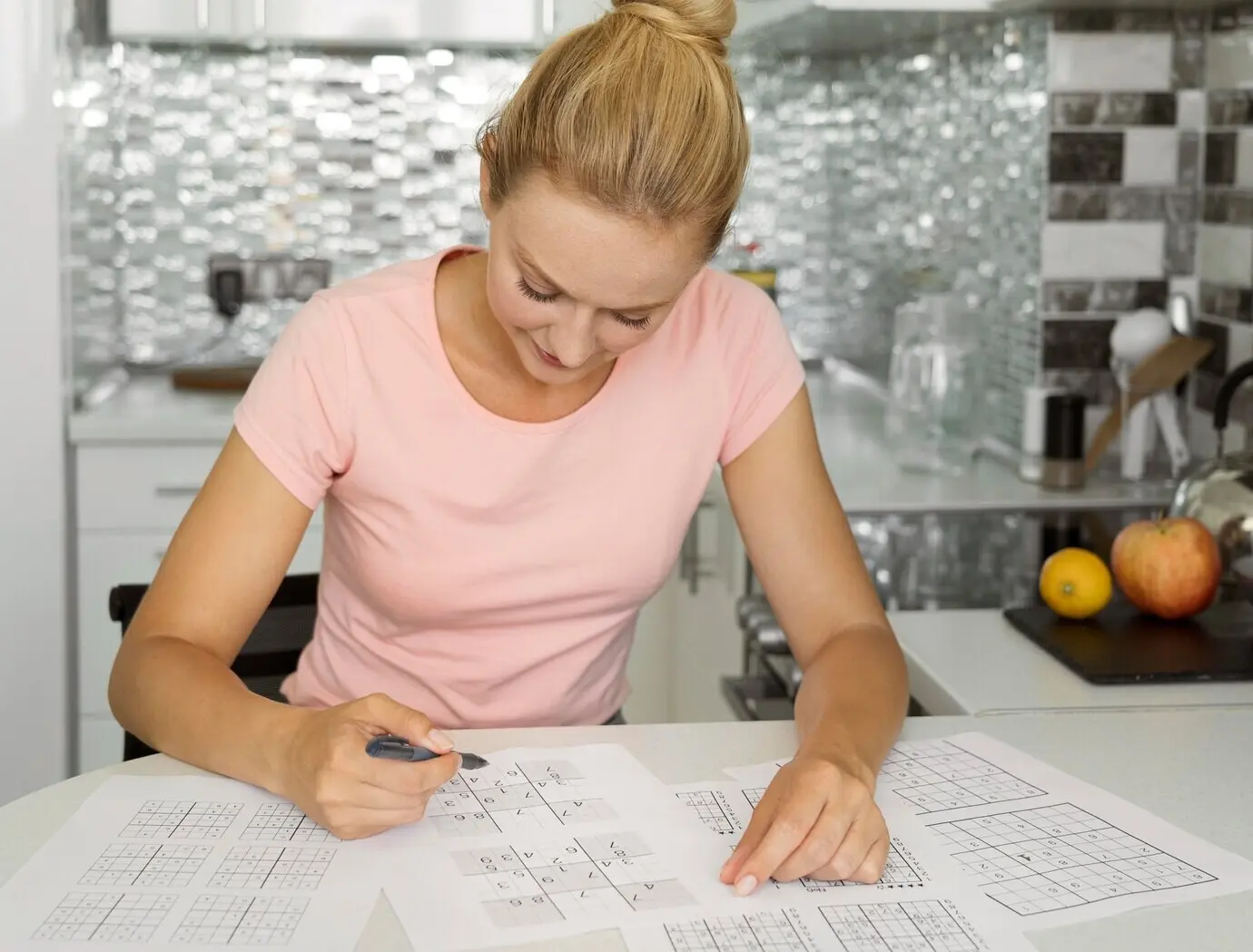
Game Night Gets Brilliant

Gather everyone from grandparents to first-time puzzlers, because tonight we’re diving into family-friendly logic puzzles for game night that spark laughter, sharpen thinking, and turn ordinary evenings into shared victories. Expect easy setup, flexible difficulty, printable sheets, and encouraging hints so every age participates. We’ll share heartwarming stories, smart organizing tips, and cooperative challenges that reward curiosity. Pull up chairs, pour something cozy, and let clever fun bring your household closer, one satisfying aha moment at a time.

Joyful Brains at the Table

{{SECTION_SUBTITLE}}

Why Minds Love a Challenge

When a riddle finally clicks or a grid deduction reveals the last square, the reward feels immediate and deeply satisfying. Brains light up with a rush of accomplishment, and families experience a shared sense of discovery. Great logic puzzles build towards these moments with fair clues, gradual revelations, and just enough misdirection to keep everyone curious, energized, and eager for the next delightful problem.

Fun Over Frustration

Keep tension low and smiles high by adjusting difficulty on the fly, offering gentle hints, and celebrating progress, not perfection. Use optional timers for excitement, not pressure. Rotate puzzle types so different strengths shine. When a challenge stalls, reframe it, reassign roles, or pocket it for later. The goal is connection, not conquest, and every partial insight counts toward a meaningful, memorable win for all.

Set the Stage for Success

A thoughtful setup turns promising ideas into an unforgettable gathering. Clear tables, bright lighting, and comfortable seating keep minds alert and spirits high. Stock pencils, erasers, sticky notes, and scrap paper for exploring possibilities. Use a whiteboard for group reasoning, color-coding clues so patterns emerge faster. Create cozy snack stations and encourage quick breaks, because sustained focus grows from relaxed bodies, refreshed minds, and friendly, inviting surroundings.

Puzzles for Every Age

Great evenings blend approachable challenges for young thinkers with deeper conundrums for seasoned minds. Offer visual matching for beginners, short riddles for tweens, and structured deduction grids for teens and adults. Provide scalable hint tiers so everyone advances together. When choices reflect the table’s diversity, players feel welcomed, respected, and confident. In that inclusive space, growth happens naturally, and curiosity thrives without anyone feeling overlooked or overwhelmed.

Tiny Sleuths

Invite early readers and young observers with colorful picture logic, pattern matching, and friendly sequences like before-after reasoning. Use simple grids with three categories, explicit clues, and generous visuals. Celebrate keen eyes and curious questions. Short rounds maintain focus, while immediate feedback builds confidence. Small successes accumulate quickly, transforming tentative guesses into proud explanations, laying a foundation for deeper deduction in future sessions without losing warmth or wonder.

Tween Detectives

Give middle-graders punchy riddles, mini logic grids, and sequence puzzles that reward persistence. Offer approachable arithmetic twists where operations fit neatly into clues. Encourage note-taking with symbols for certainty, speculation, and contradiction. Provide structured hint tiers so independence remains intact. As patterns emerge, invite them to narrate reasoning out loud, converting scattered insights into coherent strategies and unlocking that satisfying moment when an entire puzzle suddenly snaps into place.

Teen and Adult Brain-Burners

Challenge experienced minds with multi-step deduction, layered conditions, and elegantly constrained grids. Introduce lateral thinking prompts that reframe assumptions without trickery. Include arithmetic-based logic, ensuring numbers clarify rather than confuse. Encourage role specialization—fact tracker, contradiction hunter, strategist—to accelerate breakthroughs. When complexity stays fair and transparent, the resulting aha moments feel earned, unifying the table with admiration for careful thinking and collaborative perseverance.

Cooperative Challenges That Bond

Shared victories strengthen relationships. Cooperative logic puzzles invite listening, patience, and the rewarding rhythm of building on each other’s thoughts. Design tasks where multiple clues unlock together, encouraging parallel exploration before converging. Celebrate different strengths—meticulous note-taking, big-picture synthesis, or pattern recognition. When the room cheers a final deduction, everyone owns the success, and the memory lingers longer because it was built collectively, insight by insight, smile by smile.

Divide and Conquer

Assign roles that highlight unique talents: a clue keeper organizes information, a verifier tests assumptions, and a strategist sketches paths forward. Rotate responsibilities so every player experiences different vantage points. Encourage quick summaries to synchronize understanding. As insights collide productively, contradictions flag themselves, and confident conclusions emerge. The process becomes an elegant dance where clarity grows steadily, and no voice gets lost in the lively, welcoming chorus.

Narrative Mysteries

Wrap deductions inside heartwarming stories—lost picnic baskets, neighborhood treasure hunts, or whimsical museum nights. Clues tied to characters and settings make logic feel personal and memorable. Invite players to read roles aloud, adding theatrical flair without overshadowing reasoning. When narrative and deduction intertwine, quieter players often engage more, offering observations grounded in plot details. The final reveal feels like a satisfying ending earned through shared attentiveness and imagination.
Time-Boxed Triumphs

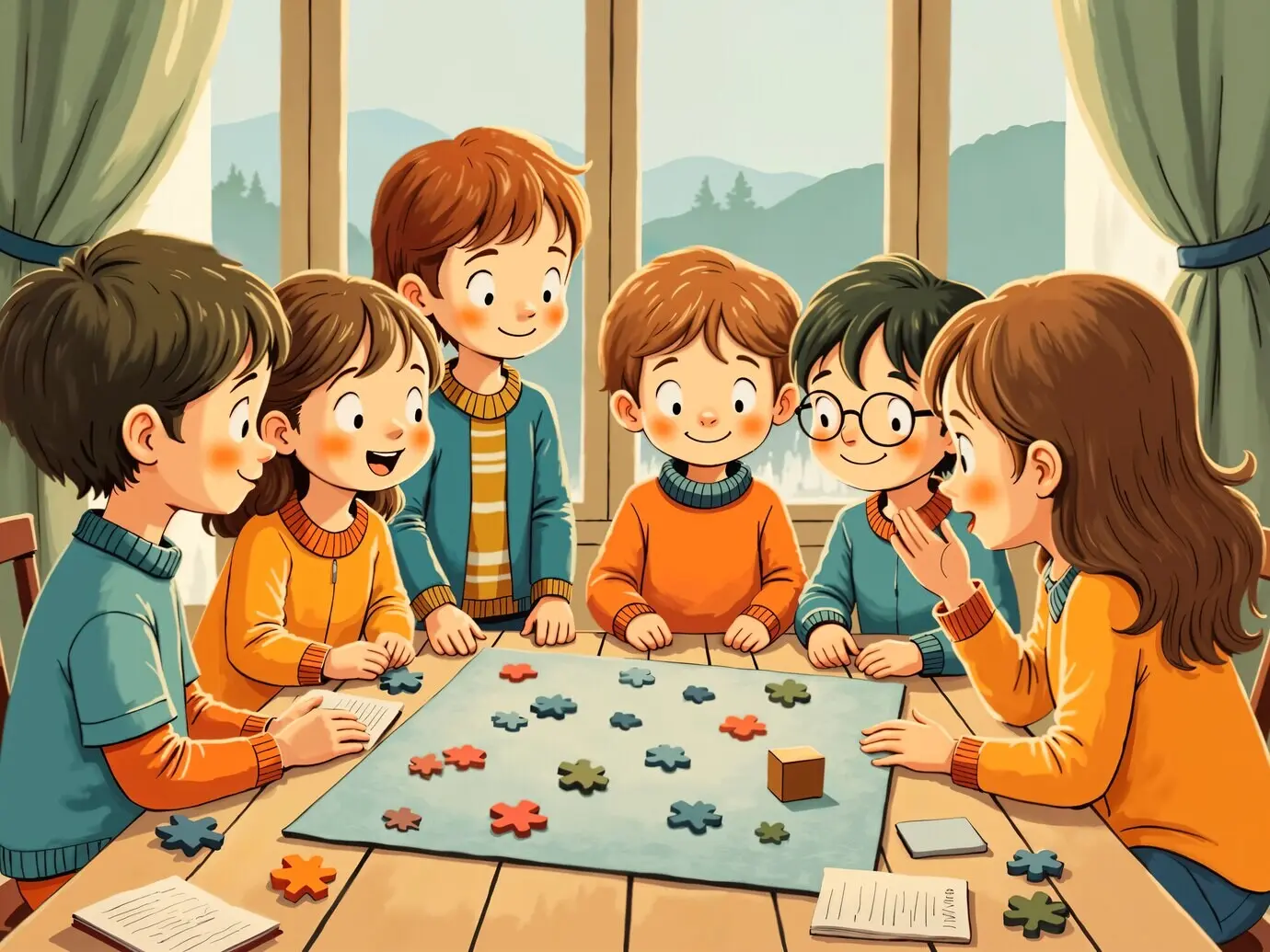
Short, cooperative sprints add urgency while remaining friendly. Set a gentle timer and aim for partial milestones—first contradiction spotted, first category locked, first impossible pairing eliminated. Celebrate every checkpoint with a small cheer. These moments maintain momentum, avoid fatigue, and ensure progress feels visible. Ending a sprint with a near-miss still counts as a success when the team learned, laughed, and found a clearer path for the next round.


Quick Rounds and House Rules

A lively cadence keeps energy high. Start with warm-up puzzles to engage newcomers, then layer depth as confidence grows. Use optional score tracks focused on collaboration, like bonuses for explaining reasoning or helping another player shine. Tie-breakers should be playful, never stressful. Maintain a friendly rhythm where each round feels complete, every effort gains recognition, and the night flows smoothly from quick victories to richer, shared problem-solving adventures.

Create and Curate Your Own

Designing your own logic puzzles personalizes the experience and invites playful ownership. Start small with three-by-three grids or short clue chains, then expand complexity as confidence grows. Combine everyday family details—favorite fruits, pets, or weekend activities—to make solutions feel charmingly specific. Assemble printable packs to reuse, swap with friends, or gift to neighbors. Building and curating together turns a pastime into a creative tradition filled with pride.
Kupalipozexone
Privacy Overview

This website uses cookies so that we can provide you with the best user experience possible. Cookie information is stored in your browser and performs functions such as recognising you when you return to our website and helping our team to understand which sections of the website you find most interesting and useful.